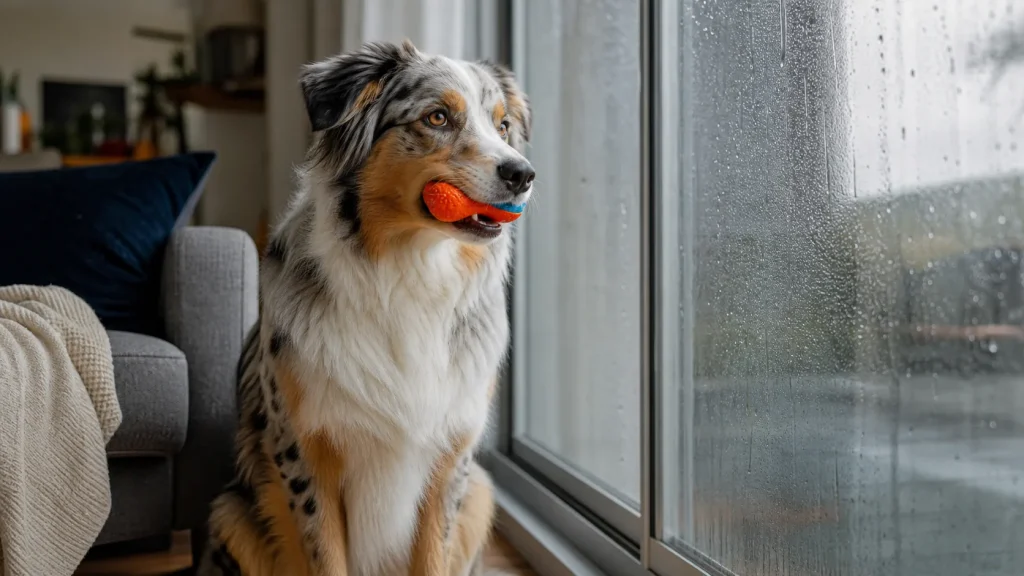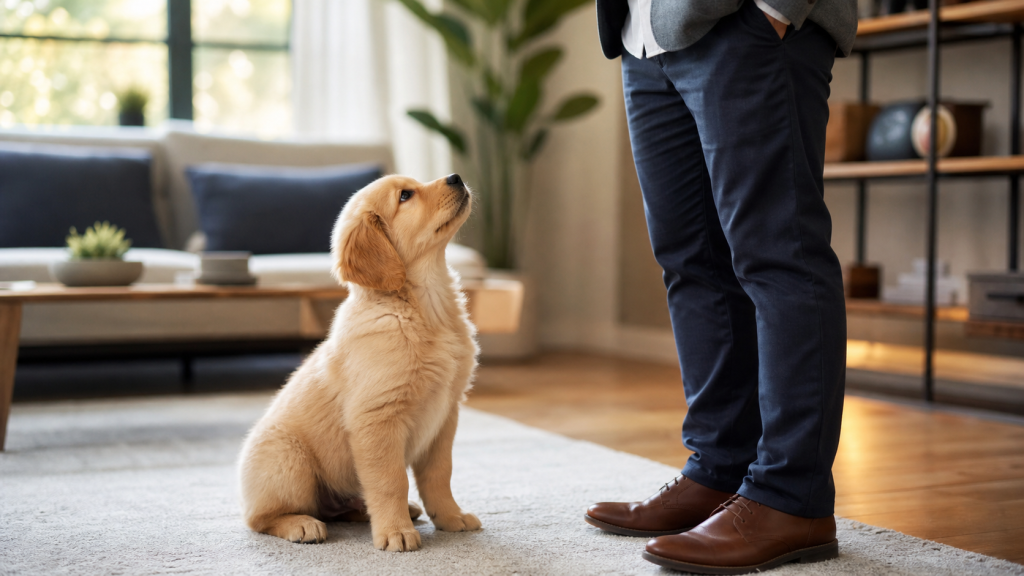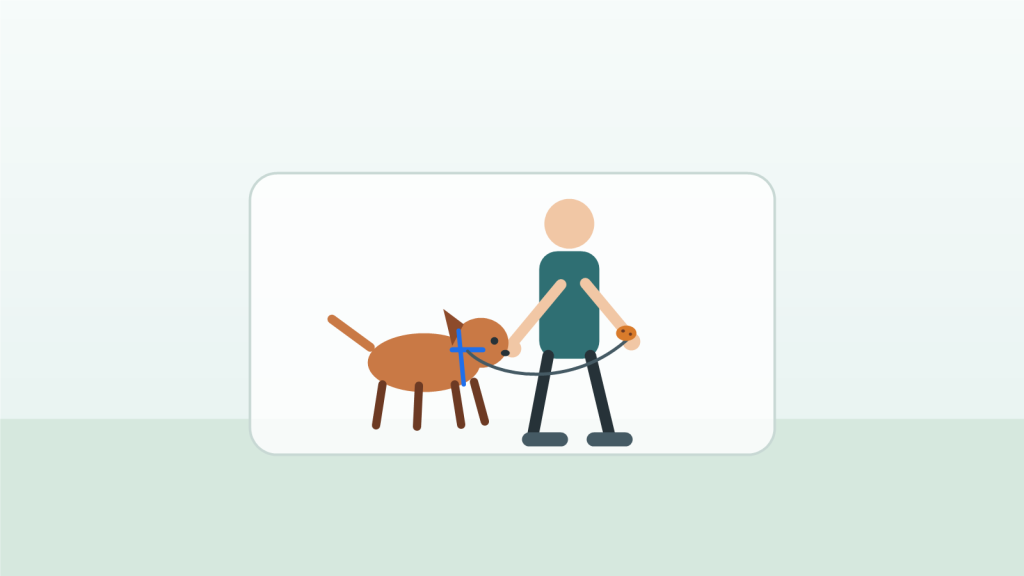
Puppy biting can feel personal, especially when your puppy is sweet one minute and suddenly grabbing your hands, sleeves, or ankles the next. In most cases, excited biting is not aggression. It is usually a mix of play, overstimulation, teething, and not yet knowing what to do with all that puppy energy.
The goal is not to punish your puppy for being excited. The goal is to teach a better habit before the biting gets out of control.
Disclosure: This article may contain affiliate links. If you buy through these links, we may earn a commission at no extra cost to you.
Why Puppies Bite More When They Get Excited
Puppies explore the world with their mouths. When they become tired, overstimulated, or frustrated, their bite control often gets worse. You may notice biting increases during:
- Evening play sessions
- Greetings after you come home
- Tug games
- Running around the house
- Petting when your puppy is already excited
- Times when your puppy needs a nap
If your puppy bites only during high-energy moments, you probably need a calmer routine, better redirection, and shorter play sessions.
Step 1: Stop Moving Before the Game Gets Bigger
When a puppy bites your hands or clothes, your first instinct may be to pull away. That often makes the game more exciting. To a puppy, moving fingers, loose sleeves, and quick reactions can look like play.
Instead, pause for a moment. Keep your hands still, stand up if needed, and avoid turning it into a chase game. Calm body language helps reduce the reward your puppy gets from biting.
Do not yell, smack, or scare your puppy. Harsh reactions can make some puppies more excited and can damage trust.
Step 2: Redirect to Something Your Puppy Is Allowed to Bite
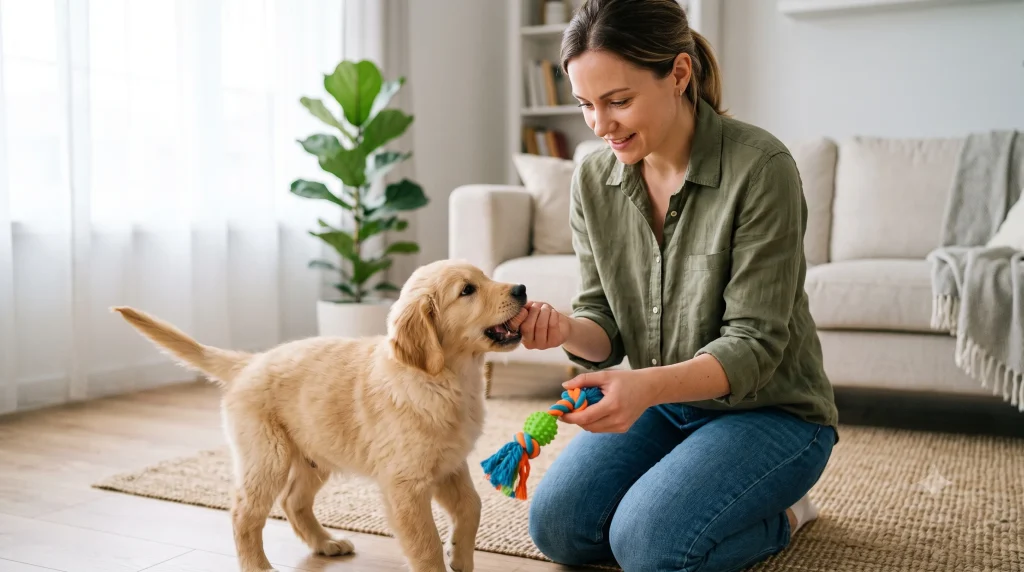
Your puppy still needs an outlet. Keep a few safe chew toys nearby in the places biting usually happens.
When your puppy goes for your hand, calmly offer a toy instead. The timing matters. Redirect early, before your puppy becomes too wound up.
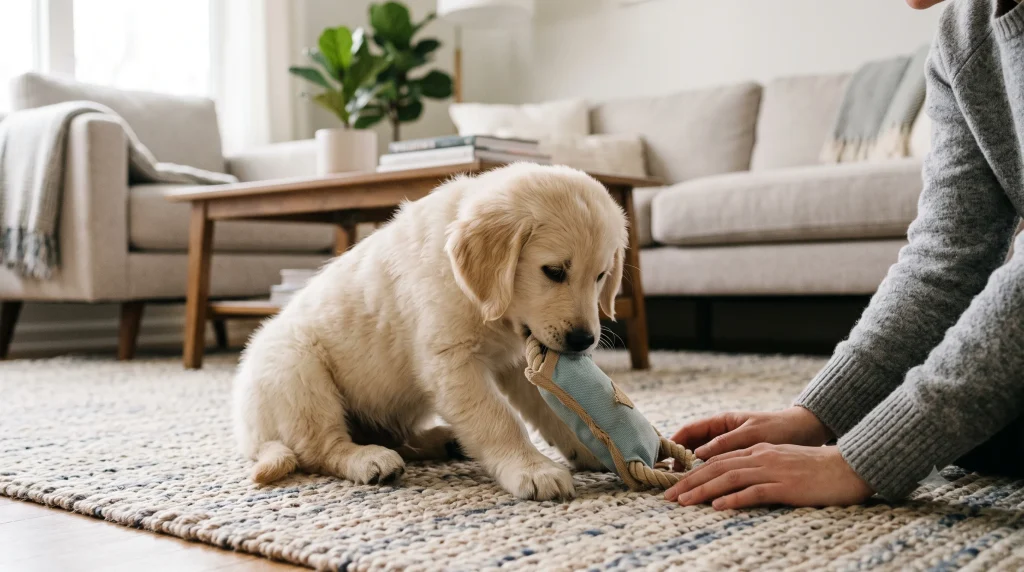
Good options include:
- Soft puppy chew toys
- Rope toys for supervised tug
- Treat-dispensing toys
- Textured teething toys
- Durable toys designed for puppies
Recommended spot for CTA:
Looking for puppy-safe chew options? See our recommended chew toys here: [REPLACE WITH APPROVED OFFER LINK]
Step 3: Use Shorter Play Sessions
Many new owners accidentally play too long. A puppy can go from happy to overstimulated quickly.
Try using short play sessions of 5 to 10 minutes, followed by a calm break. If your puppy starts biting harder, jumping, growling during play, or ignoring toys, that may be a sign the session has gone too far.
A simple routine:
- Two minutes of gentle play
- One minute of basic cues like sit or touch
- Offer a chew toy
- Give a calm break or nap
This teaches your puppy that excitement has an off switch.
Step 4: Reward Calm Mouth Choices
Do not wait until your puppy is biting to start training. Reward the moments when your puppy chooses a toy, licks instead of bites, or relaxes near you.
You can calmly say “yes” and offer a small treat or praise when your puppy:
- Chews a toy instead of your fingers
- Sits before play starts
- Takes a toy after redirection
- Settles after a short session
The more you reward the behavior you want, the less you need to react to the behavior you do not want.
Step 5: Add More Rest
Overtired puppies bite more. Many puppies need much more sleep than new owners expect. If your puppy becomes extra bitey at the same time every evening, it may not be a training problem. It may be a nap problem.
Create a calm rest area with a crate, pen, or quiet bed. After play, offer a chew and let your puppy settle.
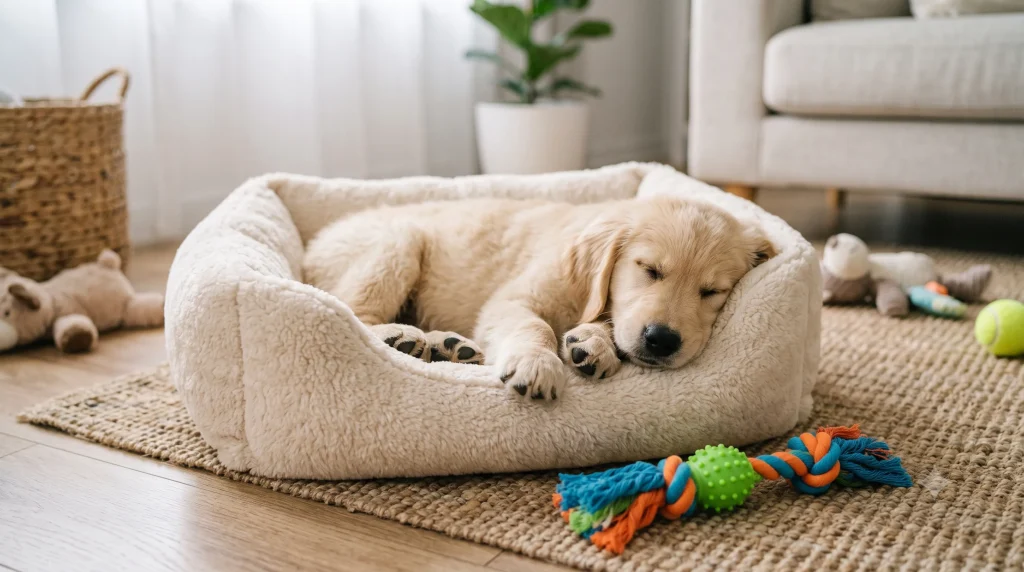
If your puppy is biting hard, zooming around, and ignoring redirection, take a calm break. Rest is often the fastest fix.
What Not to Do
Avoid these common mistakes:
- Do not wave your hands in front of your puppy's face
- Do not use your hands as toys
- Do not chase your puppy after biting
- Do not yell repeatedly
- Do not punish normal puppy teething
- Do not expect biting to disappear in one day
Puppy biting improves through repetition. Your puppy needs many calm chances to practice the right behavior.
When to Get Professional Help
If your puppy bites with stiff body language, guards food or toys, causes serious injury, or seems unusually fearful, talk to a qualified positive-reinforcement trainer or your veterinarian. Some cases need a personalized plan.
Final Thoughts
Excited puppy biting is common, but it should not become your puppy's favorite game. Keep play short, redirect early, reward calm choices, and build better chew routines.
Recommended final CTA:
A good chew routine can make training easier. View our recommended puppy chew toys here: [REPLACE WITH APPROVED OFFER LINK]